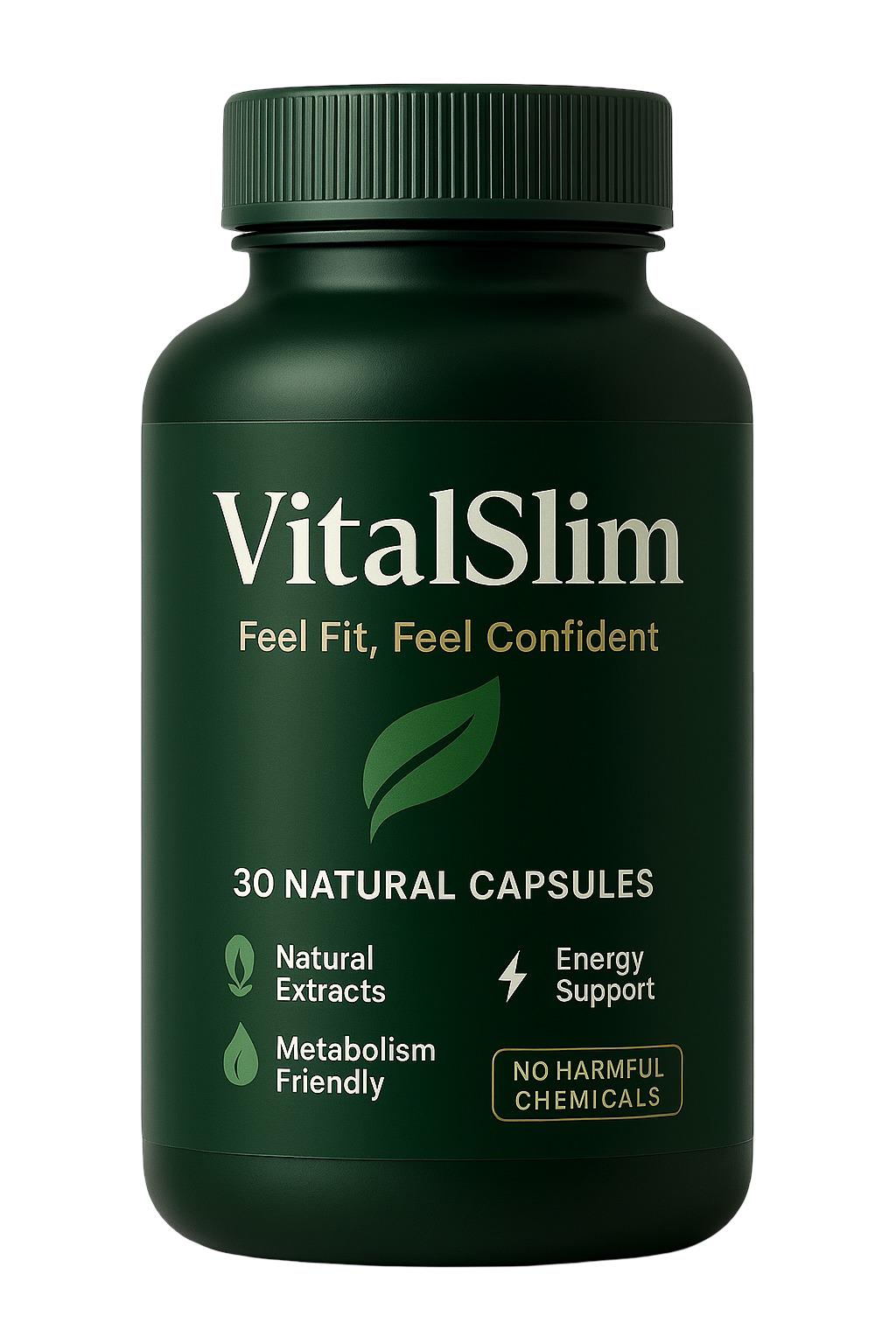
30 Natural Capsules
VitalSlim आपके वजन प्रबंधन और एनर्जी सपोर्ट के लिए एक सुरक्षित और प्राकृतिक समाधान है।
- ✔ Natural Extracts
- ✔ Energy Support
- ✔ Healthcien Friendly
- ✔ No Harmful Chemicals
कैसे VitalSlim आपके वजन को घटाता है?
🔥 Fat Burning Boost
VitalSlim आपके शरीर में जमा अतिरिक्त फैट को प्राकृतिक रूप से जलाने में मदद करता है। यह मेटाबॉलिज़्म को तेज करता है और stubborn fat को धीरे-धीरे घटाता है।
⚡ Energy & Stamina
इसमें मौजूद प्राकृतिक extracts आपको दिनभर ऊर्जा और स्टैमिना देते हैं। अब थकान या सुस्ती आपको रोक नहीं पाएगी।
💧 Appetite Control
VitalSlim भूख को नियंत्रित करता है, जिससे आप अनावश्यक स्नैक्स और over-eating से बचते हैं। आपका वजन स्वस्थ गति से घटता है।
🌱 Natural & Safe
100% प्राकृतिक और सुरक्षित अवयवों से बना। कोई harmful chemicals नहीं, सिर्फ pure herbal extracts जो शरीर को support करते हैं।
🔥🚀 Limited Time Offer – Grab Yours Now!
VitalSlim
30 Natural Capsules
फायदे
🌱 Natural Ingredients
शुद्ध प्राकृतिक एक्सट्रैक्ट्स से बना।
⚡ Energy Support
आपको दिनभर एक्टिव और फ्रेश रखे।
💪 Weight Management
वजन कंट्रोल और मेटाबॉलिज़्म को बेहतर बनाए।
🛡 Safe & Chemical Free
नो हार्मफुल केमिकल्स, पूरी तरह से सुरक्षित।
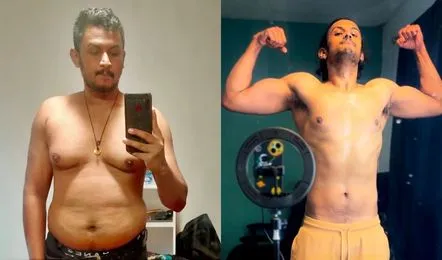
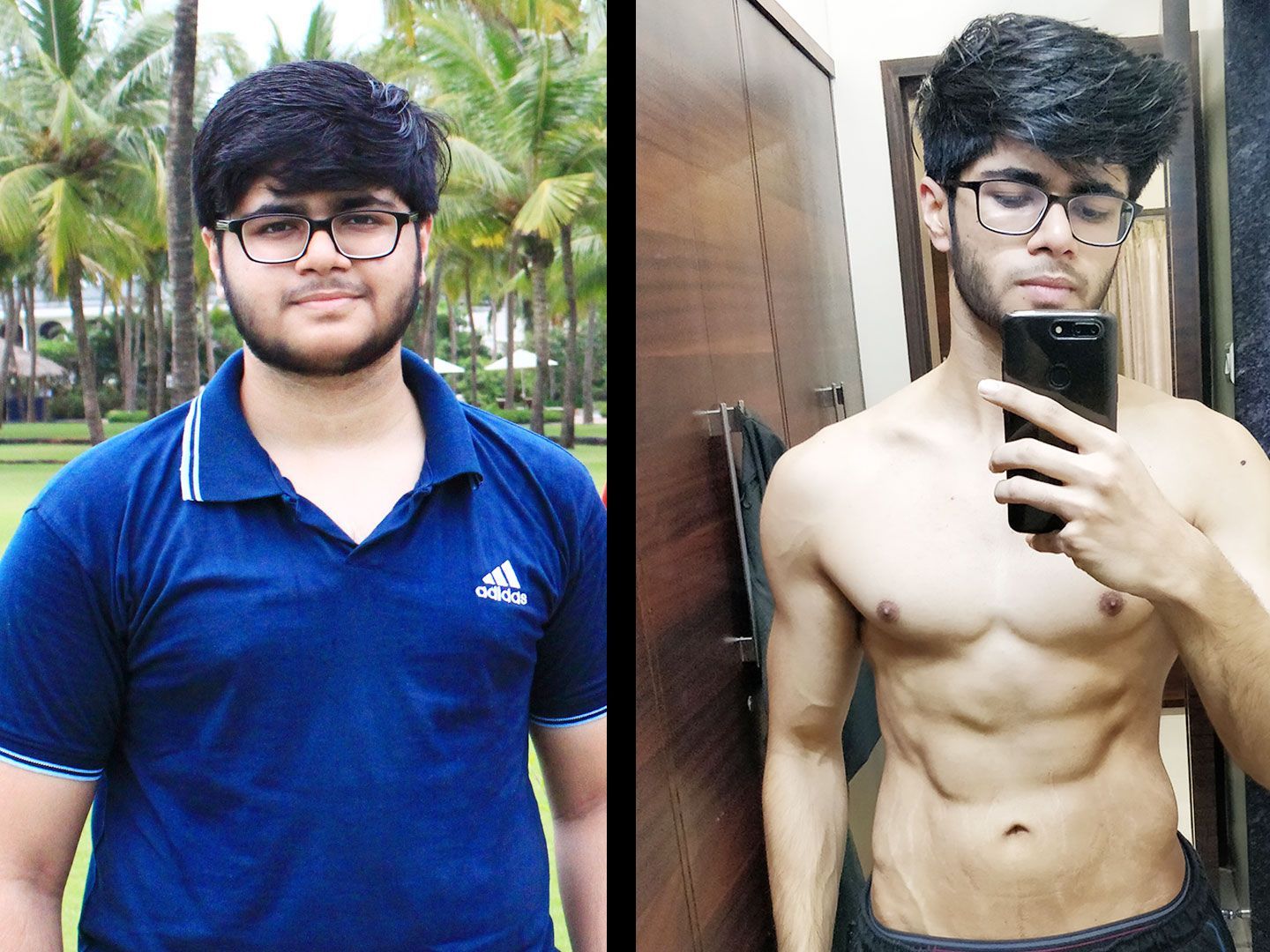
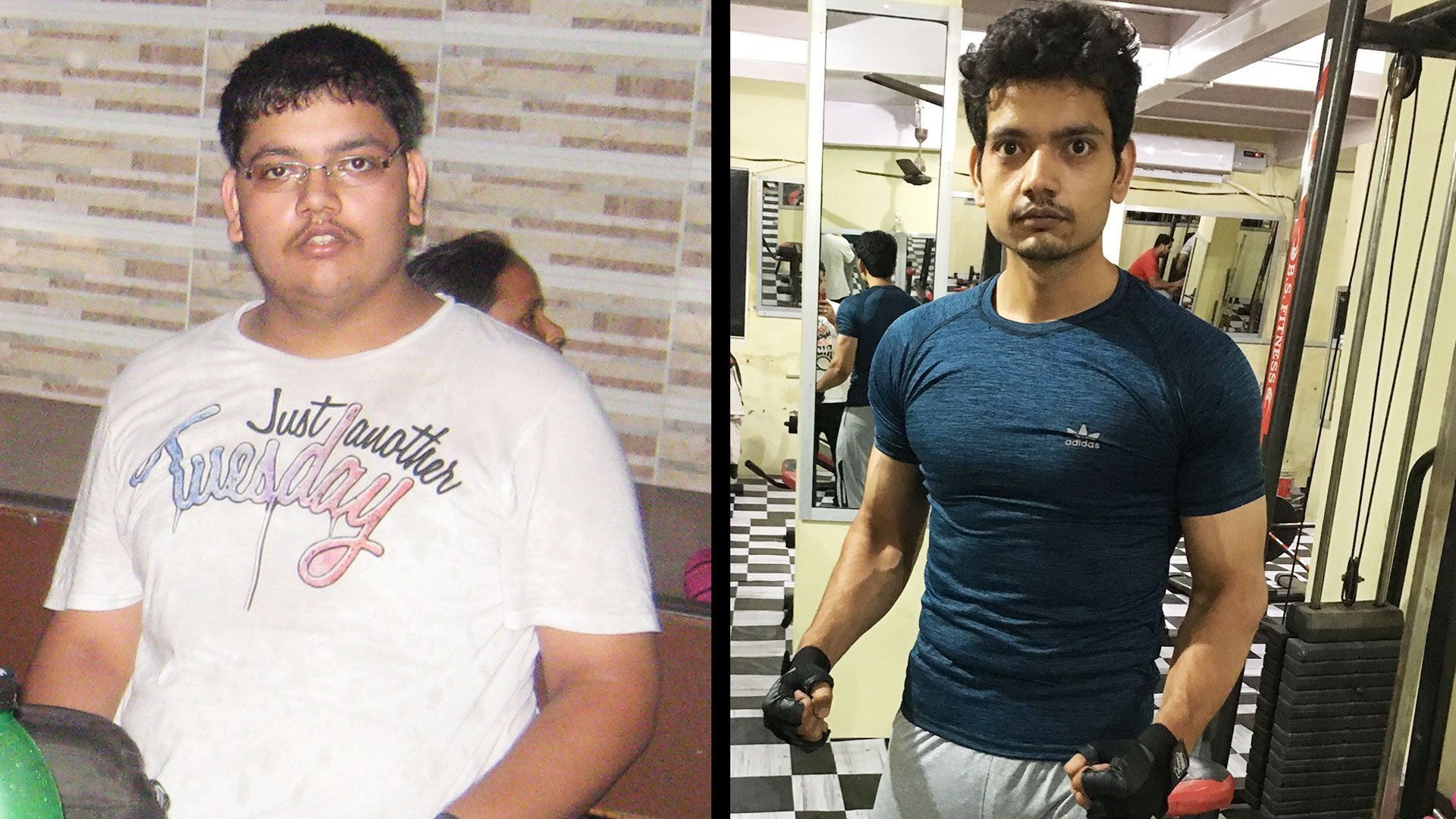
Before & After Results
सवाल-जवाब
क्या यह 100% सुरक्षित है?
हाँ, इसमें कोई भी हानिकारक केमिकल्स नहीं हैं।
कितने दिन में असर दिखता है?
लगातार 2-3 हफ्ते लेने पर रिज़ल्ट दिखने लगते हैं।
कौन-कौन इसे ले सकता है?
18+ उम्र के सभी लोग इसे ले सकते हैं (गर्भवती महिलाओं को डॉक्टर की सलाह लेनी चाहिए)।
ग्राहकों की राय ⭐
4.8 ★★★★★
Based on 1,200+ Verified Reviews

★★★★★
"VitalSlim लेने के बाद मेरा वजन 72kg से 59kg हो गया। एनर्जी भी बढ़ी और कोई साइड इफेक्ट नहीं।"

★★★★☆
"मैंने इसे 1 महीने लिया और 8 किलो वजन कम हुआ। बहुत अच्छा प्रोडक्ट है।"
★★★★★
"VitalSlim ने मेरे मेटाबॉलिज़्म को बहुत बेहतर किया। अब मैं दिनभर एनर्जेटिक रहती हूँ।"

★★★★★
"मैंने 2 हफ्ते में 5 किलो वजन कम किया। स्वाद भी अच्छा और कोई साइड इफेक्ट नहीं।"

★★★★☆
"उत्कृष्ट प्रोडक्ट। पेट की चर्बी धीरे-धीरे घट गई।"
★★★★★
"मैंने इसे सुबह और शाम लिया। वजन कम हुआ और एनर्जी बढ़ी।"

★★★★★
"प्राकृतिक और सुरक्षित। कोई साइड इफेक्ट नहीं। मेरी त्वचा भी ग्लो करने लगी।"
★★★★☆
"वजन कम हुआ और शरीर हल्का महसूस हुआ। अब फिटनेस में सुधार।"

★★★★★
"हर दिन 2 कैप्सूल लेने से 1 महीने में 6 किलो वजन घटा।"

★★★★★
"फास्ट रिज़ल्ट। पेट की चर्बी कम हुई और मांसपेशियों में टोनिंग हुई।"

★★★★☆
"मैं काफी समय से वजन घटाने की कोशिश कर रही थी। VitalSlim ने मदद की।"
★★★★★
"एनर्जी बढ़ी, भूख नियंत्रित हुई और वजन धीरे-धीरे कम हुआ।"

★★★★★
"Safe and effective। अब मैं अपने वजन से खुश हूँ।"

★★★★★
"Natural ingredients, कोई side effect, और फिटनेस में सुधार। Highly recommend।"

★★★★★
"अब मुझे अपने शरीर पर गर्व है। वजन घटा और एनर्जी बढ़ी।"